

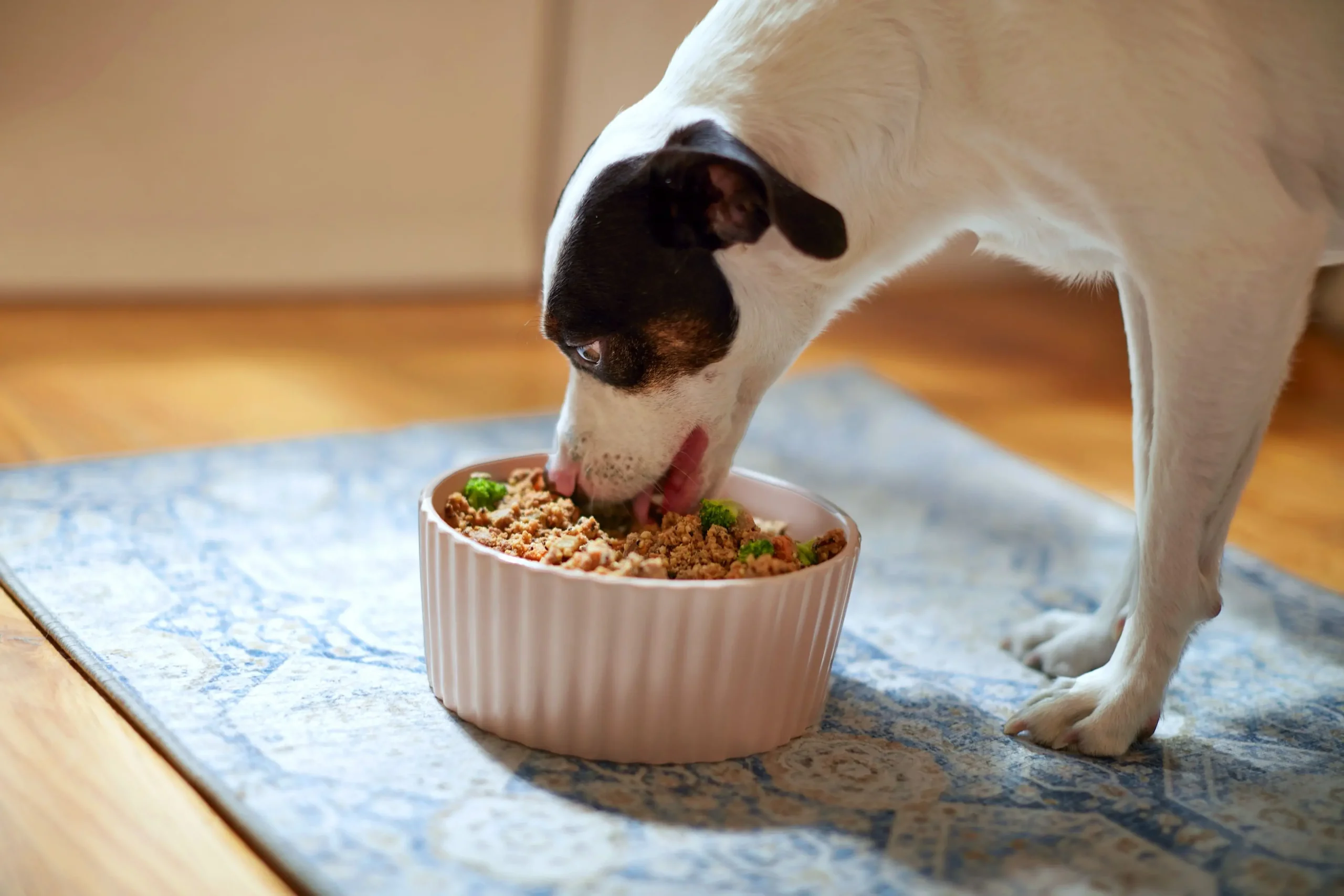
Dogs have been loyal companions to humans for thousands of years. They provide affection, companionship, and even protection. In return, it’s our responsibility to ensure that they are healthy, happy, and well-nourished. One of the most important aspects of a dog’s health is its diet. Dog food plays a crucial role in maintaining a dog’s overall well-being, energy levels, and longevity. Choosing the right food can be challenging, given the variety of options available in the market. This article will guide you through everything you need to know about dog food, from types and nutritional requirements to feeding tips and common mistakes to avoid.
Understanding Dog Nutrition
Dogs are omnivores, which means they can eat both plant and animal-based foods. However, unlike humans, dogs have different nutritional needs that must be met to maintain their health. A well-balanced dog food should provide an appropriate mix of:
- Proteins: Proteins are essential for growth, repair, and the maintenance of body tissues. High-quality animal proteins such as chicken, beef, fish, and lamb are usually recommended.
- Fats: Fats provide energy, support skin and coat health, and help absorb fat-soluble vitamins. Omega-3 and Omega-6 fatty acids are especially beneficial for a dog’s coat and brain function.
- Carbohydrates: While dogs can survive without large amounts of carbohydrates, they are a good source of energy. Ingredients like rice, oats, and barley are often included in dog food formulas.
- Vitamins and Minerals: Vitamins such as A, D, E, and B-complex, along with minerals like calcium, phosphorus, and potassium, are vital for bone health, immune function, and overall metabolism.
- Water: Adequate hydration is crucial for a dog’s health. Always provide fresh water alongside their meals.
Types of Dog Food
Dog food comes in several forms, each with its advantages and disadvantages. Understanding these types can help pet owners make informed decisions.
1. Dry Dog Food (Kibble)
Dry dog food, commonly known as kibble, is one of the most popular choices among dog owners. It is convenient, has a long shelf life, and can help maintain dental health by reducing plaque buildup. Kibble is typically more cost-effective and comes in formulas tailored for puppies, adults, or senior dogs.
2. Wet Dog Food (Canned Food)
Wet dog food contains higher moisture content, which can be beneficial for hydration. It tends to be more palatable for picky eaters due to its rich aroma and flavor. However, wet food is more expensive than dry food and has a shorter shelf life once opened.
3. Raw Dog Food
Raw dog food, also known as a “raw diet” or BARF (Biologically Appropriate Raw Food), includes uncooked meat, bones, fruits, and vegetables. Advocates argue that it closely mimics a dog’s natural diet and can lead to shinier coats, healthier teeth, and increased energy. However, raw diets require careful preparation to avoid bacterial contamination and nutritional imbalances.
4. Homemade Dog Food
Some pet owners prefer to prepare homemade meals to control the ingredients and ensure high-quality nutrition. Homemade dog food can be customized based on a dog’s age, size, activity level, and health conditions. However, it’s crucial to consult a veterinarian or canine nutritionist to create a balanced diet.
5. Prescription Dog Food
Prescription dog food is specially formulated to address specific health conditions such as kidney disease, allergies, obesity, or gastrointestinal issues. These diets are usually recommended by veterinarians and are not meant for general feeding.
Choosing the Right Dog Food
Selecting the best dog food involves considering several factors, including age, breed, size, activity level, and health status.
Age
Puppies, adult dogs, and senior dogs have different nutritional requirements. Puppies need nutrient-dense food rich in protein and fat to support growth. Adult dogs require balanced maintenance diets, while senior dogs may need lower-calorie formulas to prevent weight gain and support joint health.
Breed and Size
Small breeds often have faster metabolisms and may require more calorie-dense food in smaller portions. Large and giant breeds benefit from diets that support joint health and controlled growth to prevent skeletal problems.
Activity Level
Active dogs, such as working breeds or dogs that engage in regular exercise, require higher energy levels in their diet. On the other hand, less active or sedentary dogs need lower-calorie formulas to prevent obesity.
Health Considerations
Dogs with health issues like allergies, digestive problems, or obesity may require special diets. For instance, some dogs are sensitive to grains, while others may need hypoallergenic or low-fat formulas. Always consult a veterinarian before making significant dietary changes.
Reading Dog Food Labels
Understanding dog food labels is essential to ensure you are providing complete nutrition. Key points to look for include:
- Guaranteed Analysis: Lists the minimum percentages of crude protein and fat, and maximum percentages of fiber and moisture.
- Ingredients List: Ingredients are listed in order of weight. High-quality animal protein should be at the top.
- AAFCO Statement: Indicates whether the food meets the nutritional standards set by the Association of American Feed Control Officials.
- Calorie Content: Important for portion control and weight management.
Feeding Tips
Proper feeding habits can improve digestion, prevent obesity, and promote overall health.
- Measure Portions: Avoid free-feeding unless recommended. Use a measuring cup to control portions according to your dog’s age, size, and activity level.
- Regular Feeding Schedule: Establish a consistent feeding routine, typically two meals per day for adult dogs and three to four for puppies.
- Avoid Human Food: Many human foods are toxic to dogs, including chocolate, grapes, onions, and certain artificial sweeteners like xylitol.
- Introduce New Food Gradually: Sudden dietary changes can cause gastrointestinal upset. Mix the new food with the old gradually over 7–10 days.
Common Mistakes in Dog Feeding
Even well-intentioned pet owners can make mistakes that affect their dog’s health:
- Overfeeding: Obesity is a common problem in dogs and can lead to diabetes, joint problems, and heart disease.
- Ignoring Life Stages: Feeding a senior dog puppy food or vice versa can create nutritional imbalances.
- Using Low-Quality Food: Cheaper dog food may contain fillers and low-quality ingredients that offer minimal nutritional value.
- Lack of Variety: While consistency is good, some variation in protein sources can provide a broader range of nutrients.
Signs of a Healthy Diet
A dog that is thriving on the right diet will show the following signs:
- Shiny, healthy coat
- Clear eyes and clean ears
- Healthy weight and strong muscles
- Consistent energy levels
- Normal stool and good digestion
Conclusion
Choosing the right dog food is more than just picking a bag off the shelf. It requires understanding your dog’s unique needs, reading labels carefully, and monitoring their health and behavior. A well-balanced diet not only keeps your dog physically healthy but also contributes to their happiness and longevity. By investing time and effort into providing proper nutrition, you are ensuring that your furry friend enjoys a vibrant, active, and fulfilling life by your side.
