

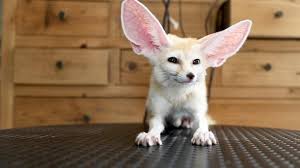
When most people think of pets, cats, dogs, or maybe even rabbits come to mind. However, the world of exotic pets opens up a whole new realm of fascinating animals that are rarely seen in traditional households. Exotic pets range from colorful birds and reptiles to unusual mammals and amphibians. These pets often require specialized care, diets, and environments, making them a unique choice for experienced pet enthusiasts.
What Are Exotic Pets?

An exotic pet is generally considered any animal that is not commonly kept as a household companion. While cats and dogs have been domesticated for thousands of years, exotic pets are usually wild or semi-wild species. Examples include parrots, snakes, lizards, hedgehogs, sugar gliders, and even miniature pigs. Some people are drawn to exotic pets because of their unusual appearance, unique behaviors, or the challenge of caring for them properly.
Exotic pets differ from regular pets not just in appearance but also in their care requirements. They often have specific dietary needs, require controlled environments, and sometimes need social interaction with their own species to thrive. Owning an exotic pet is not just about companionship; it is a responsibility that demands research, preparation, and commitment.
Popular Types of Exotic Pets
Birds
Birds are among the most popular exotic pets. Parrots, cockatoos, macaws, and parakeets are loved for their intelligence, vibrant colors, and ability to mimic sounds and words. Some species, like African Grey Parrots, are known for their exceptional cognitive abilities, making them highly interactive companions. Birds require a cage that allows flight, mental stimulation through toys, and a diet rich in seeds, fruits, and vegetables.
Reptiles
Reptiles such as snakes, lizards, and turtles are favored for their fascinating behaviors and low-maintenance lifestyle in some cases. Bearded dragons, ball pythons, and leopard geckos are commonly kept exotic reptiles. Unlike traditional pets, reptiles often require carefully controlled temperature and humidity levels. They may not provide the same social interaction as cats or dogs, but observing their unique behaviors can be highly rewarding.
Small Mammals
Exotic small mammals include sugar gliders, ferrets, and hedgehogs. Sugar gliders are nocturnal marsupials that are highly social and bond closely with their owners. Ferrets are playful, energetic, and require plenty of attention and space to explore. Hedgehogs are adorable but shy creatures that prefer quiet, low-stress environments. These animals often need more specialized care than standard pets but can form strong attachments with their owners.
Amphibians
Amphibians like frogs, salamanders, and newts are less common but fascinating choices. They require specific humidity and water conditions and are generally kept in terrariums. Amphibians are delicate and sensitive to environmental changes, so they are best suited for experienced hobbyists who can replicate their natural habitat as closely as possible.
Exotic Fish
Exotic fish are another category, ranging from colorful tropical fish to rare freshwater species. Unlike common goldfish or guppies, exotic fish may need specific water temperatures, pH levels, and filtration systems. Maintaining a healthy aquarium can be both challenging and rewarding, offering a glimpse into the vibrant underwater world.
Why People Choose Exotic Pets
The reasons people choose exotic pets are varied. Some are drawn to their beauty and uniqueness, while others appreciate their intelligence or unusual behaviors. Exotic pets can also be a status symbol for those who enjoy having something rare and different. For some, the challenge of providing proper care is part of the appeal.
Exotic pets can also serve educational purposes. They allow people, especially children, to learn about different species, their habitats, and their behaviors. Owning an exotic pet can foster a deep appreciation for wildlife and inspire interest in conservation.
Challenges of Owning Exotic Pets
While exotic pets can be fascinating, they come with challenges that are not typical with cats or dogs. One major challenge is the level of care required. Many exotic pets have specialized dietary needs, require specific temperature and humidity levels, or need large enclosures. Failure to meet these requirements can lead to health problems or even shorten their lifespan.
Another challenge is legality. Some exotic pets are regulated or prohibited in certain regions due to concerns about safety, ecological impact, or animal welfare. Before acquiring an exotic pet, it is crucial to research local laws and ensure that owning the species is legal.
Additionally, exotic pets can be expensive. From their initial purchase price to their ongoing care, housing, and diet, costs can quickly add up. Veterinary care for exotic animals can also be more specialized and costly than for traditional pets.
Ethical Considerations
Ethics play a significant role in the exotic pet world. Many species are endangered or threatened in the wild, and removing them from their natural habitat can contribute to declining populations. It is important to ensure that exotic pets are sourced responsibly, preferably bred in captivity rather than taken from the wild.
Moreover, some exotic animals may not thrive in captivity. Owners must consider the animal’s natural behavior and needs before deciding to bring it home. The welfare of the animal should always be the top priority.
Preparing for an Exotic Pet
Proper preparation is key to owning an exotic pet successfully. This includes:
- Research: Understand the species, its needs, lifespan, and temperament.
- Habitat: Create a suitable living environment, whether it’s a terrarium, aviary, or specialized tank.
- Diet: Learn about the species-specific dietary requirements and ensure access to proper nutrition.
- Healthcare: Identify veterinarians experienced with exotic animals. Regular check-ups can prevent many health issues.
- Commitment: Exotic pets often require long-term care and attention, sometimes for decades.
Conclusion
Exotic pets offer a window into a fascinating world of animals beyond the common household companions. From colorful birds to unique reptiles, these animals can bring joy, education, and wonder into a home. However, they also require careful research, ethical consideration, and dedicated care. Choosing to own an exotic pet is a commitment that should never be taken lightly. For those who are prepared, the rewards of interacting with these extraordinary creatures are immense, offering a lifelong journey into the wonders of the animal kingdom.
