

Pet owners today are more conscious than ever about the nutrition and health of their furry companions. One significant trend that has gained popularity over the past decade is grain-free pet food. This type of diet is marketed as a healthier alternative to traditional pet food that contains grains such as wheat, corn, and rice. But what exactly does grain-free mean, and is it the right choice for your pet? This article explores the concept of grain-free pet food, its benefits, potential risks, and factors to consider before switching your pet’s diet.
What is Grain-Free Pet Food?
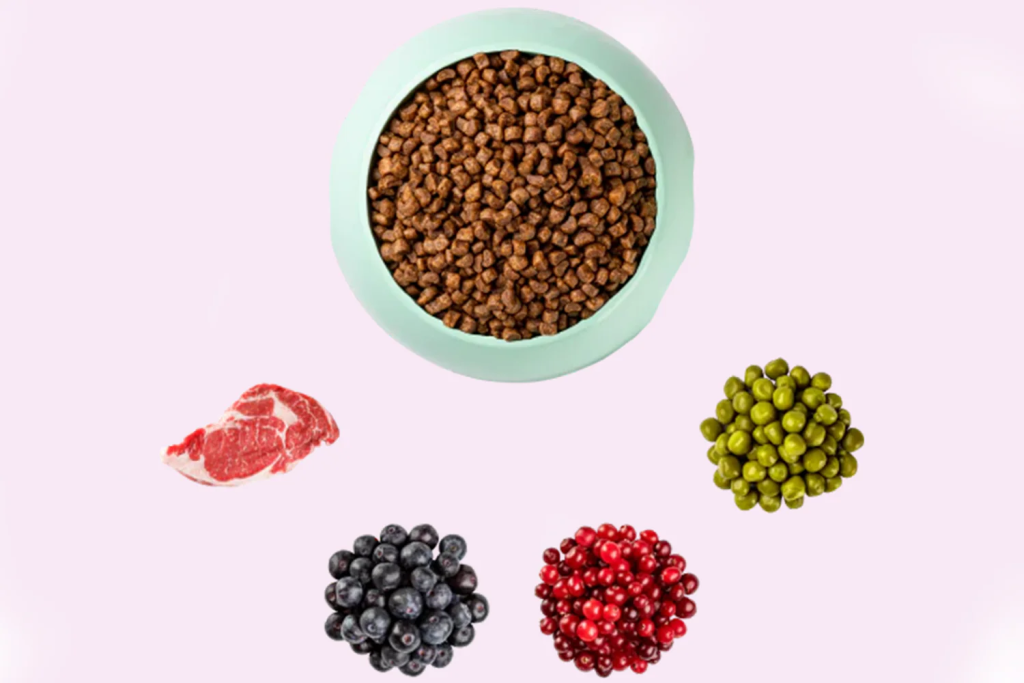
Grain-free pet food is formulated without traditional grains, which are common sources of carbohydrates in many pet foods. Instead of grains, these foods often use alternatives like potatoes, sweet potatoes, peas, or lentils as carbohydrate sources. The protein content, usually derived from meat, poultry, or fish, is often higher in grain-free formulas, aiming to mimic the natural diet of cats and dogs, which are primarily carnivorous.
Why Choose Grain-Free Pet Food?
Pet owners may consider grain-free food for several reasons:
- Digestive Health: Some pets have difficulty digesting grains due to food sensitivities or allergies. Grain-free diets can sometimes reduce gastrointestinal issues like bloating, gas, and diarrhea.
- Allergies and Sensitivities: While true grain allergies in pets are rare, some animals may be sensitive to certain grains, leading to skin irritation, itching, or ear infections. Grain-free diets can help alleviate these symptoms.
- Higher Protein Content: Grain-free diets often have higher protein levels, which can be beneficial for active pets, supporting muscle development, energy, and overall health.
- Weight Management: Replacing grains with complex carbohydrates like sweet potatoes may result in lower calorie intake, helping pets maintain a healthy weight.
- Appeal to Pet Owners: Many pet owners perceive grain-free food as more “natural” or closer to a wild diet, which can influence their purchasing decisions.
Ingredients Commonly Found in Grain-Free Pet Food
Grain-free pet foods replace traditional grains with alternative sources of carbohydrates and nutrients. Common ingredients include:
- Sweet Potatoes and Potatoes: Provide energy and are easier to digest for some pets.
- Legumes (Peas, Lentils, Chickpeas): Offer protein and fiber, supporting digestion and satiety.
- Meat and Fish: Primary sources of protein, essential amino acids, and nutrients like taurine, which is vital for heart health in cats.
- Vegetables and Fruits: Provide vitamins, minerals, and antioxidants that support immune health and overall wellbeing.
- Fats and Oils: Include fish oil, chicken fat, or plant-based oils to supply essential fatty acids for skin, coat, and brain health.
Benefits of Grain-Free Pet Food
1. Supports Digestive Health
Grain-free diets are often easier for pets with sensitive stomachs to digest. Ingredients like sweet potatoes and peas are gentle on the digestive system and may reduce gastrointestinal discomfort.
2. Reduces Food Allergies
Pets with adverse reactions to grains may experience fewer allergy symptoms when switched to grain-free diets. This includes itching, hair loss, chronic ear infections, or gastrointestinal upset.
3. Improves Coat and Skin Condition
Many grain-free diets include omega-3 and omega-6 fatty acids, which promote healthy skin and a shiny coat. Removing grains may also help reduce inflammatory reactions in some pets.
4. Supports Weight Management
High-protein, low-carbohydrate grain-free diets may help pets maintain lean muscle mass while preventing excessive weight gain. Complex carbohydrates like legumes provide energy without spiking blood sugar levels.
5. Mimics Natural Diets
For cats and dogs, grain-free diets resemble what their ancestors would have eaten in the wild, focusing on protein-rich foods rather than carbohydrate-heavy grains.
Considerations and Risks
While grain-free diets have benefits, it’s essential to understand potential risks and considerations:
1. Nutritional Balance
Not all grain-free diets are automatically healthier. Some may lack essential nutrients if not properly formulated. It’s important to choose a diet that meets established nutritional standards.
2. Risk of Heart Disease in Dogs
Recent studies have raised concerns about a potential link between grain-free diets and dilated cardiomyopathy (DCM) in dogs, a serious heart condition. While the exact cause is unclear, some research suggests that certain grain-free formulas high in legumes and low in taurine may contribute to this risk. Pet owners should consult veterinarians before switching diets.
3. Cost
Grain-free pet food is often more expensive than traditional formulas. Owners should weigh the potential benefits against the higher cost and ensure it aligns with their pet’s specific needs.
4. Misconceptions
Some pet owners assume that grain-free means carbohydrate-free, which is not true. Many grain-free foods replace grains with starchy vegetables and legumes, which still provide carbohydrates.
Choosing the Right Grain-Free Food
When considering a grain-free diet, it’s important to select high-quality options:
- Check Nutritional Adequacy: Look for labels that meet the standards set by authorities such as the Association of American Feed Control Officials (AAFCO).
- Focus on Protein Quality: Ensure the primary protein source is meat or fish rather than plant-based proteins.
- Consult Your Veterinarian: Especially if your pet has a pre-existing condition or if you are concerned about potential health risks.
- Monitor Your Pet: Watch for changes in digestion, coat quality, energy levels, and overall health after switching diets.
- Gradual Transition: Introduce new food gradually over 7–10 days to prevent digestive upset.
Grain-Free Diets for Dogs vs. Cats
Dogs
Dogs are omnivores, meaning they can digest both animal and plant-based foods. Grain-free diets for dogs often emphasize high-quality proteins while including legumes and vegetables as carbohydrate sources. Owners should be cautious with certain breeds prone to DCM or heart issues.
Cats
Cats are obligate carnivores, requiring meat-based protein for survival. Grain-free diets for cats often provide higher protein content and include essential amino acids like taurine. Cats are generally less prone to grain allergies, but grain-free options can still benefit those with sensitivities.
Myths About Grain-Free Pet Food
- Myth 1: All grains are bad for pets
Not all grains are harmful. Many pets digest grains like rice and oats without issues, and grains can provide valuable fiber and nutrients. - Myth 2: Grain-free means healthier
Health benefits depend on the overall nutritional composition, not just the absence of grains. Some grain-free foods may still contain fillers or lack essential nutrients. - Myth 3: Grain-free prevents obesity
Obesity is primarily linked to overfeeding and lack of exercise. Grain-free diets alone will not prevent weight gain.
Conclusion
Grain-free pet food can be a suitable choice for pets with grain sensitivities, allergies, or digestive issues. It offers benefits such as improved digestion, healthier skin, and higher protein intake. However, it is not universally necessary for all pets, and there are potential risks to consider, particularly in certain dog breeds.
Pet owners should prioritize a balanced, nutritionally complete diet, consult their veterinarian, and carefully monitor their pets when introducing grain-free food. Understanding your pet’s specific needs is the key to ensuring a healthy and happy life.
Grain-free pet food is not a trend to be blindly followed but a dietary option that can play an important role in personalized pet nutrition.
