


Pets have been a part of human life for thousands of years. From ancient times to modern society, animals have served not only as companions but also as guardians, helpers, and symbols of unconditional love. Among the many aspects that make pets extraordinary, loyalty stands out as one of the most remarkable qualities. A “Loyalty Pet” is more than just a domestic animal; it is a companion whose devotion is unmatched, whose presence brings comfort, and whose bond with humans transcends words.
The Meaning of Loyalty in Pets

Loyalty in pets is often defined by their unwavering affection and consistent presence. Unlike humans, animals do not have hidden agendas, social expectations, or personal ambitions that might interfere with their devotion. Their loyalty is pure and instinctive, often demonstrated through behaviors such as following their owners, providing emotional support during tough times, and protecting them from potential dangers.
For many people, pets are a source of unconditional love. This loyalty goes beyond routine feeding or playing; it is a deep, emotional connection that becomes a part of daily life. Dogs, for example, are often hailed as the most loyal of animals, known for their ability to remember their owners and maintain attachment even after long periods of separation. Cats, while more independent, also show loyalty in subtle ways, such as waiting for their owners to return or staying close during moments of vulnerability.
Historical Perspective on Pet Loyalty
The concept of loyal pets is not new. Ancient civilizations, including Egyptians, Greeks, and Romans, recognized the value of animals as companions. Dogs were often trained to guard homes, herd livestock, and accompany humans on hunts. In return, these animals were revered for their loyalty and intelligence. In ancient Egyptian culture, cats were worshipped not only for their ability to control pests but also for their protective presence in households. This historical appreciation for loyal animals highlights the longstanding human recognition of the special bond between humans and pets.
Over centuries, literature and art have celebrated loyal pets as symbols of faithfulness and devotion. From stories of dogs waiting for their owners for years to paintings depicting cats and dogs alongside humans in everyday life, these examples illustrate how society has always valued the unwavering companionship of animals.
Types of Loyal Pets
While loyalty can be seen in various animals, some species are particularly known for forming strong attachments to humans:
Dogs
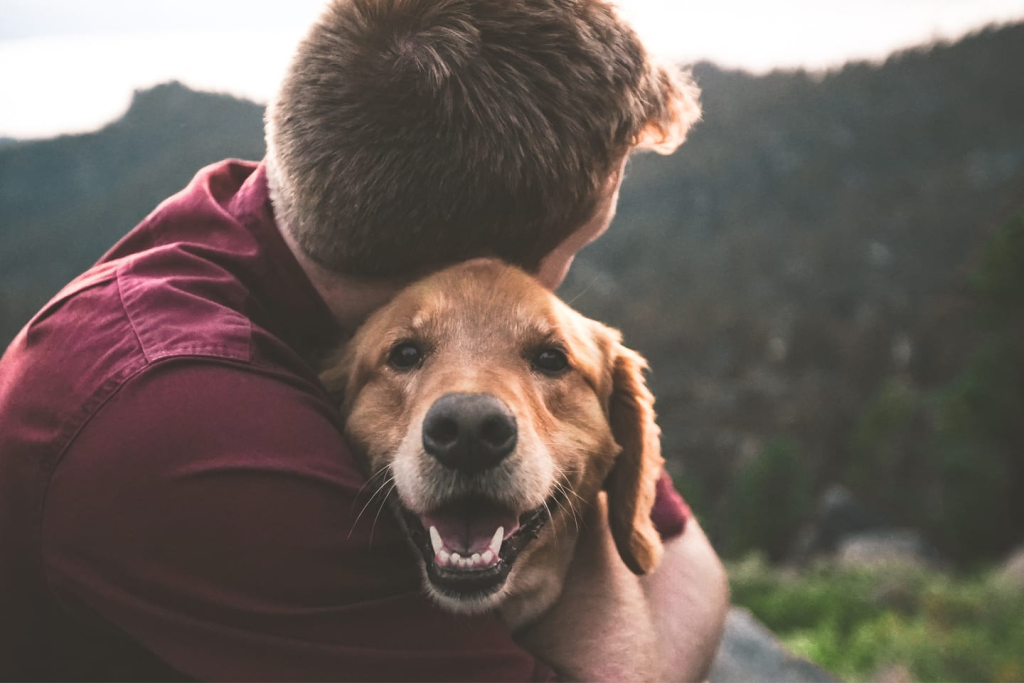
Dogs are often considered the epitome of a loyal pet. They form strong social bonds with their owners and have an innate ability to understand human emotions. From comforting their owners in times of grief to alerting them to danger, dogs’ loyalty is often visible in both subtle gestures and dramatic actions. Breeds like German Shepherds, Golden Retrievers, and Labradors are especially known for their devoted nature, though any dog can develop deep loyalty depending on their upbringing and relationship with their human family.
Cats
Cats are often seen as more independent, but this does not diminish their potential for loyalty. Cats may express their devotion in quieter, more subtle ways: rubbing against their owners, following them around the house, or sitting close during moments of relaxation. Some cats even develop strong protective instincts toward their owners, showing that loyalty is not limited to overtly affectionate behavior.
Birds
Certain bird species, such as parrots and cockatoos, are known for forming strong attachments to their human caregivers. These birds can develop emotional bonds, mimic human speech, and seek companionship actively. Their loyalty may be expressed through attention-seeking behaviors, such as following owners around or calling for them when separated.
Small Mammals
Even small pets like rabbits, guinea pigs, and ferrets can demonstrate loyalty. While they may not always show it as dramatically as dogs, these animals often recognize their primary caregivers, respond to their presence, and display trust and affection.
Signs of a Loyal Pet
Identifying loyalty in pets can sometimes be subtle. Here are some common signs:
- Consistent Affection: A loyal pet seeks closeness with its owner regularly, showing interest in their presence and activities.
- Protective Behavior: Some pets instinctively protect their humans from perceived threats or alert them to danger.
- Emotional Support: Pets often sense human emotions and provide comfort during stressful or sad moments.
- Following and Attention: Loyal pets often follow their owners around, observing or participating in their routines.
- Recognition and Attachment: Even after long periods of separation, loyal pets remember and reconnect with their owners, showing signs of excitement or relief.
The Psychological Benefits of Having a Loyal Pet
Having a loyal pet provides numerous psychological benefits. Studies have shown that interacting with pets can reduce stress, lower blood pressure, and improve overall mental well-being. Pets offer non-judgmental companionship, which helps alleviate feelings of loneliness and depression. For many individuals, the bond with a loyal pet can be a crucial source of emotional stability.
The loyalty of a pet also fosters a sense of responsibility and routine in owners. Feeding, grooming, and spending quality time with a pet encourages healthy daily habits, while the mutual trust between pet and owner enhances emotional resilience. Children, in particular, benefit from understanding and reciprocating the loyalty of their pets, learning empathy, patience, and compassion.
Building a Strong Bond with Your Pet
While some animals have a natural tendency toward loyalty, the bond between human and pet grows stronger through consistent care, trust, and respect. Here are some ways to cultivate this connection:
- Regular Interaction: Spend quality time playing, training, or simply being with your pet to strengthen your relationship.
- Positive Reinforcement: Reward desired behaviors with treats, affection, or praise to encourage trust and loyalty.
- Understanding Body Language: Learn to interpret your pet’s signals to better respond to their needs and emotions.
- Routine Care: Consistent feeding, grooming, and health check-ups show your pet that they are valued and loved.
- Patience and Compassion: Building loyalty takes time. Respect your pet’s boundaries and avoid harsh punishments.
Loyalty Beyond Humans: The Reciprocal Nature of Bonding
While we often celebrate pets’ loyalty toward humans, it is important to recognize that the bond is reciprocal. Animals thrive in environments where they feel safe, loved, and understood. This mutual respect strengthens the relationship, creating a cycle of loyalty and affection that benefits both parties. Pets are sensitive to human moods and respond positively to care and affection, while humans gain companionship, emotional support, and a sense of purpose from their loyal animal friends.
Famous Stories of Loyal Pets
Throughout history, numerous stories have captured the extraordinary loyalty of animals. Dogs have been known to travel hundreds of miles to reunite with their owners, while cats have been observed waiting faithfully for their humans at bus stops or doorways. Birds have remained devoted to caretakers, calling out in recognition after long separations. These stories, whether widely reported or shared within families, illustrate that loyalty is not just an abstract concept—it is a lived experience that transcends species.
Conclusion
A “Loyalty Pet” is more than just a domestic companion; it is a friend, a guardian, and an emotional anchor. Their unwavering devotion enriches human life in ways that are both tangible and profound. From dogs that stand by their owners in danger to cats that offer quiet comfort, loyal pets embody the purest form of companionship. They remind us that love, trust, and loyalty are not solely human traits but can be shared across species, creating a bond that is truly unbreakable.
Investing in a loyal pet means embracing the joy, responsibility, and companionship that comes with it. In return, we receive a friend whose devotion knows no bounds, proving that the truest loyalty often comes on four paws, two wings, or even tiny feet. In a world that can sometimes feel uncertain and fleeting, a loyal pet offers a constant, dependable presence—a reminder that unconditional love is real, and it often comes with a wagging tail, a gentle purr, or a soft chirp.
