

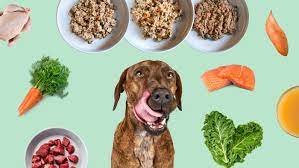
In recent years, pet owners have become increasingly conscious about the diet and overall health of their pets. Just like humans, pets benefit from a nutritious, balanced diet, and one of the most significant trends in pet nutrition is organic pet food. This type of food promises higher quality ingredients, fewer chemicals, and a natural approach to feeding your beloved animals. But what exactly is organic pet food, and why should you consider it for your pets? Let’s explore.
What is Organic Pet Food?
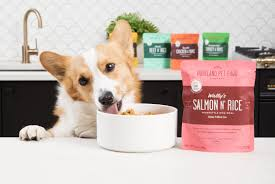
Organic pet food is made from ingredients that are grown without synthetic pesticides, herbicides, or fertilizers. It avoids genetically modified organisms (GMOs) and emphasizes natural farming methods. Organic pet foods often contain whole grains, fresh vegetables, and high-quality meat or fish that is free from hormones and antibiotics.
The main difference between regular pet food and organic pet food lies in the quality and sourcing of ingredients. While conventional pet food may include fillers, by-products, and artificial additives, organic pet food focuses on natural, wholesome ingredients that are easier for pets to digest and beneficial for long-term health.
Benefits of Organic Pet Food
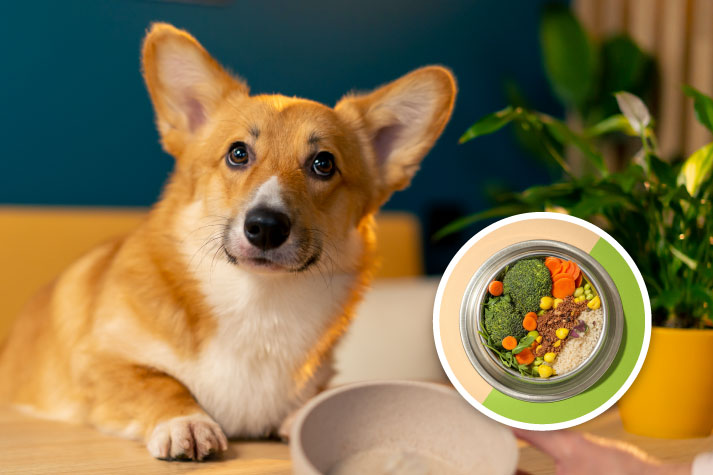
Choosing organic pet food comes with numerous advantages:
1. Better Nutritional Value
Organic ingredients retain more nutrients because they are grown naturally without harmful chemicals. Proteins, vitamins, and minerals in organic pet food are more bioavailable, meaning your pet can absorb and use them more efficiently. This can lead to healthier skin, shinier coats, and stronger immunity.
2. Reduced Exposure to Toxins
Pets are sensitive to chemicals found in conventional food, such as preservatives, artificial colors, and flavorings. Organic pet food eliminates or drastically reduces exposure to these substances, which can prevent allergic reactions, digestive issues, and long-term health problems.
3. Supports Digestive Health
Many organic pet foods include high-quality proteins and natural fibers, which promote better digestion. A healthy gut improves nutrient absorption and overall well-being, reducing issues like diarrhea, constipation, and bloating.
4. Environmental Benefits
Organic farming practices are better for the environment. By choosing organic pet food, pet owners support sustainable agriculture that avoids harmful pesticides, conserves water, and encourages biodiversity. This eco-friendly choice contributes positively to the planet while benefiting your pet.
Common Ingredients in Organic Pet Food
Organic pet food includes a variety of natural ingredients, carefully selected for nutritional value and safety:
- Organic Meat and Fish: Chicken, beef, turkey, lamb, and fish are often sourced from animals raised without antibiotics or growth hormones.
- Whole Grains: Brown rice, oats, barley, and quinoa provide energy and fiber.
- Vegetables and Fruits: Carrots, sweet potatoes, peas, apples, and blueberries deliver vitamins, antioxidants, and fiber.
- Herbs and Supplements: Natural herbs like parsley, rosemary, and chamomile may be added to enhance flavor and support health.
These ingredients are processed minimally to retain nutrients and ensure that your pet receives maximum health benefits.
Choosing the Right Organic Pet Food
Selecting the best organic pet food requires careful consideration of your pet’s needs:
- Check the Label: Look for certifications like “100% organic” or “USDA certified organic,” which indicate strict adherence to organic standards.
- Understand Your Pet’s Requirements: Puppies, kittens, adult pets, and senior pets have different nutritional needs. Choose a formula designed specifically for your pet’s age and health condition.
- Consider Allergies and Sensitivities: Organic foods can help pets with food sensitivities, but it’s important to review ingredients carefully to avoid allergens.
- Consult Your Veterinarian: Always consult a professional, especially if your pet has existing health conditions, before making dietary changes.
Homemade Organic Pet Food
For pet owners who prefer complete control over ingredients, homemade organic pet food is an option. Preparing food at home allows you to include fresh, organic ingredients and avoid any additives entirely. Common homemade recipes include:
- Organic Chicken and Vegetable Mix: Cooked chicken combined with steamed carrots, peas, and brown rice.
- Organic Fish and Sweet Potato: Baked fish fillets served with mashed sweet potato and green beans.
- Organic Turkey and Quinoa Bowl: Ground turkey cooked with quinoa, zucchini, and pumpkin puree.
While homemade diets can be healthy, it’s crucial to ensure a balanced mix of protein, carbohydrates, fats, vitamins, and minerals. Consulting a veterinarian or pet nutritionist can help prevent nutritional deficiencies.
Myths About Organic Pet Food
Despite its growing popularity, some misconceptions exist around organic pet food:
- “Organic Food is Not as Nutritious”: On the contrary, organic food often contains more natural nutrients due to minimal processing and chemical-free farming.
- “Organic Food is Only for Dogs and Cats”: Many organic pet foods are formulated for various animals, including rabbits, birds, and small mammals.
- “Organic Food is Too Expensive”: While the price may be higher than conventional options, the long-term health benefits and reduced vet bills often justify the investment.
Conclusion
Organic pet food represents a holistic approach to pet nutrition, emphasizing natural ingredients, sustainable farming practices, and better overall health. Choosing organic food for your pets can improve their digestive health, boost immunity, and reduce exposure to harmful chemicals. Whether you opt for commercial organic products or homemade meals, prioritizing organic ingredients is a step toward a healthier, happier life for your furry companions.
Feeding your pet isn’t just about satiating hunger—it’s about nurturing their body and ensuring longevity. Making the switch to organic pet food is not only a gift to your pets but also a contribution to a healthier planet.
