

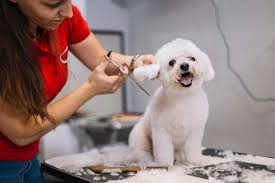
Pet grooming is an essential part of responsible pet ownership. It goes far beyond making pets look attractive; grooming plays a vital role in maintaining their overall health, comfort, and emotional well-being. Whether you own a dog, cat, or another furry companion, regular grooming helps prevent health issues, strengthens the bond between pet and owner, and ensures a clean and hygienic living environment.
This article explores the importance of pet grooming, different grooming practices, tools used, benefits, challenges, and tips for grooming pets at home or with professional help.
Understanding Pet Grooming
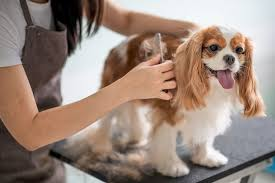
Pet grooming refers to the hygienic care and cleaning of animals, as well as enhancing their physical appearance. It includes activities such as bathing, brushing, nail trimming, ear cleaning, coat trimming, and dental care. Grooming needs vary depending on the type of pet, breed, coat length, lifestyle, and health condition.
Some pets require daily grooming, while others may only need occasional care. Long-haired breeds usually demand more attention than short-haired ones. Understanding your pet’s specific grooming needs is the first step toward effective care.
Importance of Pet Grooming
Pet grooming is not just about appearance; it directly impacts a pet’s physical and mental health.
- Health Maintenance
Grooming helps detect early signs of health problems such as skin infections, lumps, parasites, or injuries. Regular brushing removes dirt, dead hair, and dandruff, allowing the skin to breathe properly. - Parasite Control
Fleas, ticks, and mites can cause serious discomfort and disease. Grooming allows owners to spot parasites early and take preventive action. - Improved Comfort
Matted fur can be painful and restrict movement. Grooming keeps the coat smooth and prevents tangles that may pull on the skin. - Hygiene and Cleanliness
Regular bathing and cleaning reduce odors, bacteria, and allergens, creating a cleaner home environment. - Emotional Well-being
Grooming sessions provide physical contact and attention, which can reduce stress and anxiety in pets. It also strengthens trust between the pet and the owner.
Basic Pet Grooming Practices
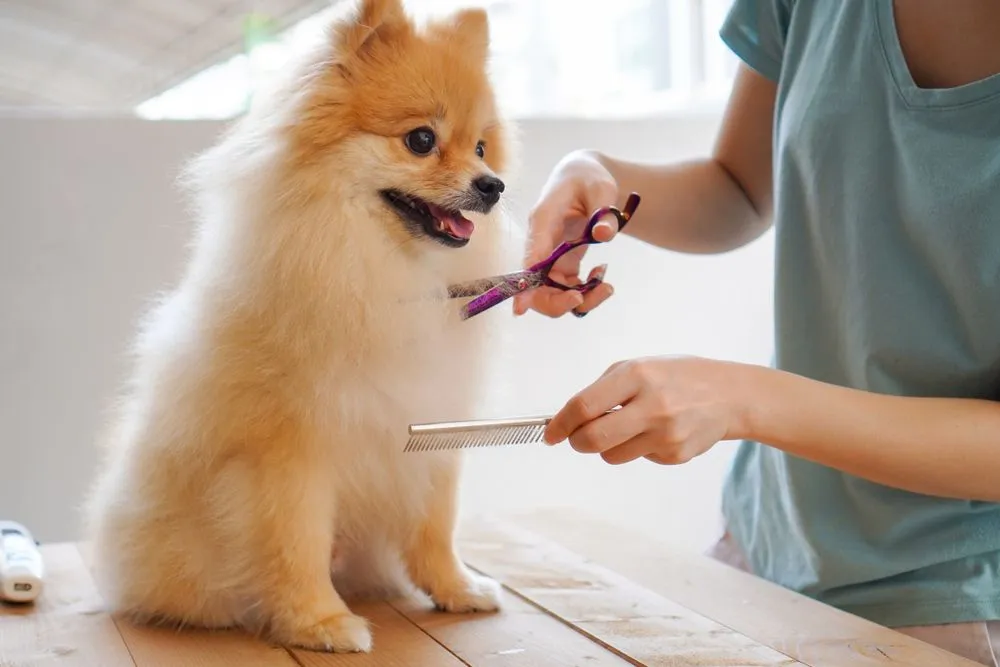
Pet grooming consists of several core practices that should be done regularly.
Brushing
Brushing removes loose fur, dirt, and debris from the coat. It also distributes natural oils evenly, keeping the fur shiny and healthy. The frequency of brushing depends on the pet’s coat type. Long-haired pets may need daily brushing, while short-haired pets may only require it once or twice a week.
Bathing
Bathing helps remove dirt, odors, and bacteria. However, over-bathing can strip the skin of natural oils and cause dryness. Pets should be bathed using products specifically designed for animals, as human shampoos can irritate their skin.
Nail Trimming
Overgrown nails can cause discomfort, pain, and even joint problems. Regular nail trimming ensures proper posture and movement. Care must be taken to avoid cutting too close to the sensitive area inside the nail.
Ear Cleaning
Dirty ears can lead to infections. Regular ear cleaning removes wax buildup and debris. Signs of ear problems include redness, odor, and frequent scratching.
Dental Care
Dental hygiene is often overlooked but is crucial for preventing gum disease, tooth decay, and bad breath. Brushing your pet’s teeth and providing dental treats can help maintain oral health.
Grooming Different Types of Pets
Different pets have different grooming requirements.
Dog Grooming
Dogs require consistent grooming based on their breed and lifestyle. Active dogs that spend time outdoors may need more frequent baths. Certain breeds also require professional haircuts to maintain their coat structure.
Cat Grooming
Cats are generally good self-groomers, but they still benefit from brushing, especially long-haired breeds. Grooming helps reduce hairballs and shedding. Nail trimming and ear cleaning are also important for cats.
Small Pets
Rabbits, guinea pigs, and other small animals need gentle grooming. Regular brushing prevents fur matting and ingestion of excess hair. Their nails also require trimming.
Professional Pet Grooming vs. Home Grooming
Pet owners can choose between grooming their pets at home or using professional grooming services.
Home Grooming
Home grooming allows owners to save money and bond with their pets. It requires proper tools, patience, and knowledge. Home grooming is ideal for routine care such as brushing, nail trimming, and light bathing.
Professional Grooming
Professional groomers are trained to handle pets safely and efficiently. They are experienced in dealing with difficult behaviors and specific breed requirements. Professional grooming is especially useful for haircuts, deep cleaning, and pets with special needs.
Tools Used in Pet Grooming
Using the right tools makes grooming easier and safer.
- Brushes and combs for different coat types
- Pet-safe shampoos and conditioners
- Nail clippers or grinders
- Ear cleaning solutions
- Towels and dryers
- Grooming scissors or clippers
Investing in quality grooming tools improves results and reduces stress for both the pet and owner.
Challenges in Pet Grooming
Pet grooming can sometimes be challenging.
- Fear and Anxiety: Some pets are afraid of grooming tools or water.
- Aggressive Behavior: Pets may resist grooming due to past negative experiences.
- Lack of Time: Busy schedules can make regular grooming difficult.
- Health Issues: Older or sick pets may require special care and gentle handling.
Patience, positive reinforcement, and gradual training can help overcome these challenges.
Tips for Successful Pet Grooming
- Start grooming at an early age to build comfort and trust
- Use treats and praise to reward good behavior
- Keep grooming sessions short and calm
- Groom regularly to prevent severe issues
- Learn your pet’s body language and stop if they appear stressed
Consistency is key to making grooming a positive experience.
Benefits of Regular Pet Grooming
Regular grooming offers long-term benefits:
- Healthier skin and coat
- Reduced shedding and hair buildup
- Early detection of health problems
- Improved pet behavior and comfort
- Stronger bond between pet and owner
A well-groomed pet is generally happier, healthier, and more confident.
Conclusion
Pet grooming is an essential responsibility that every pet owner should take seriously. It is not merely about keeping pets clean and attractive but about ensuring their overall health, comfort, and happiness. Regular grooming prevents health issues, enhances emotional well-being, and strengthens the relationship between pets and their owners.
Whether done at home or by a professional, grooming should be a consistent part of your pet care routine. By understanding your pet’s unique needs and following proper grooming practices, you can provide them with a healthier, more comfortable, and happier life.
