

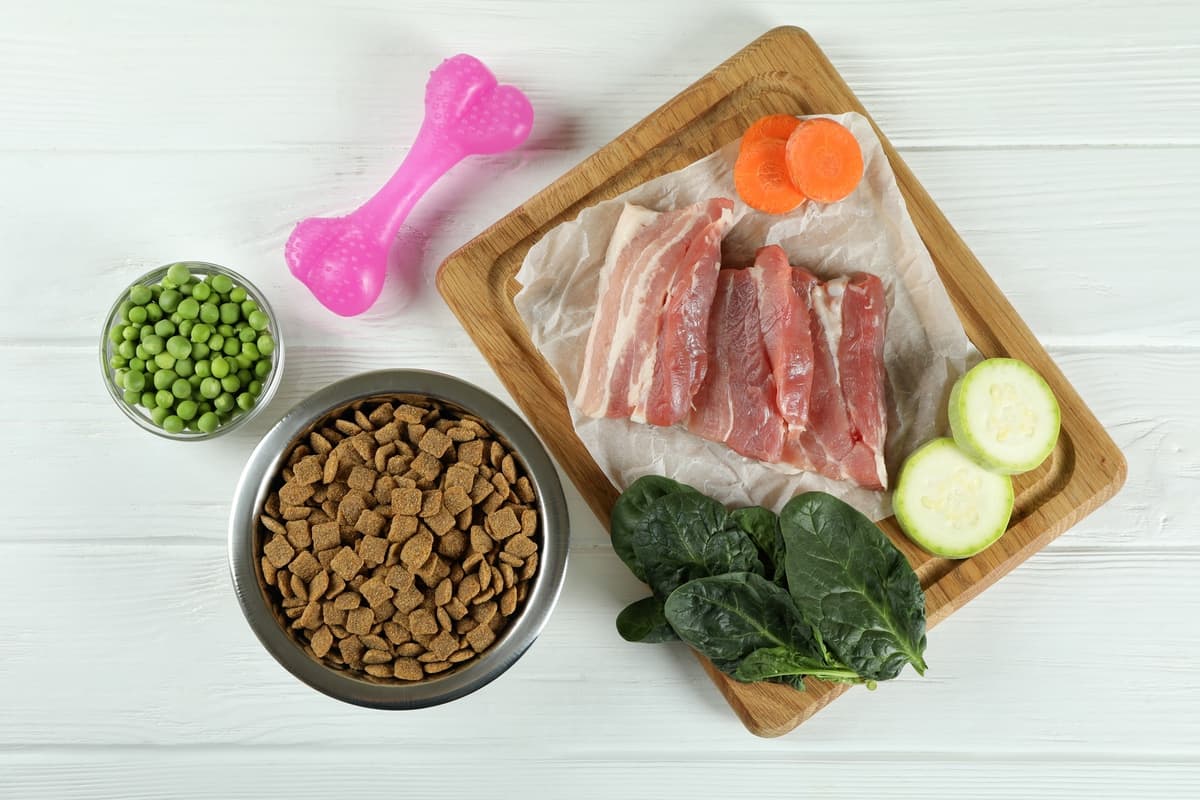
Pet nutrition plays a vital role in the overall health, growth, and happiness of pets. Just like humans, pets need a balanced diet to maintain strong immunity, healthy organs, shiny coats, and proper energy levels. Many pet owners focus on love and care but sometimes overlook the importance of proper nutrition. Understanding pet nutrition helps owners make better food choices and ensures their pets live long and healthy lives.
Understanding Pet Nutrition
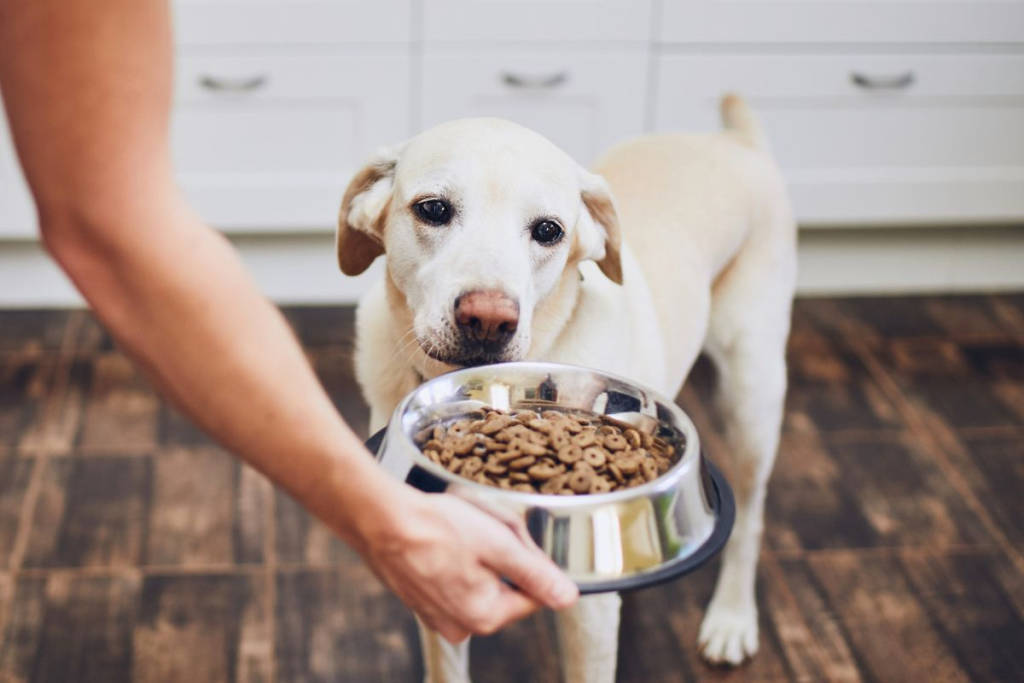
Pet nutrition refers to providing pets with the right balance of nutrients required for their body functions. These nutrients include proteins, carbohydrates, fats, vitamins, minerals, and water. Each pet species has different nutritional needs depending on factors such as age, size, breed, activity level, and health condition. Dogs, cats, birds, and other animals all require diets designed specifically for their biological needs.
Good nutrition supports growth in young pets, maintains energy in adult pets, and helps senior pets manage aging-related issues. Poor nutrition, on the other hand, can lead to obesity, weak bones, digestive problems, dull coats, and serious diseases.
Importance of Balanced Diet for Pets

A balanced diet is essential for pets to function properly. Proteins help build muscles and repair tissues, fats provide energy and support brain health, and carbohydrates supply quick energy. Vitamins and minerals are necessary for immunity, bone strength, and organ function. Water is equally important as it helps regulate body temperature and aids digestion.
Feeding pets an unbalanced diet can result in nutrient deficiencies or excesses, both of which can be harmful. For example, too much fat can cause obesity, while lack of protein may lead to muscle weakness. Therefore, understanding portion control and nutrient balance is crucial in pet nutrition.
Protein in Pet Nutrition
Protein is one of the most important components of pet nutrition. It supports muscle development, immune function, and overall growth. Dogs require moderate to high levels of protein depending on their activity level, while cats need a higher amount of protein because they are natural meat-eaters.
Animal-based proteins are usually more beneficial for pets as they provide essential amino acids. However, the quality of protein matters more than quantity. Poor-quality protein sources may be difficult to digest and provide less nutritional value.
Role of Fats in Pet Diet
Fats are a concentrated source of energy and are essential for healthy skin and coat. They also help in absorbing fat-soluble vitamins. Omega fatty acids, in particular, are known for improving coat shine and reducing inflammation.
While fats are important, excessive fat intake can lead to obesity and heart problems. Pet owners should ensure fats are included in the diet in appropriate amounts based on the pet’s lifestyle and health needs.
Carbohydrates and Fiber
Carbohydrates provide energy and help maintain digestive health. Fiber, a type of carbohydrate, supports digestion and helps prevent constipation. While dogs can digest carbohydrates efficiently, cats require fewer carbohydrates in their diet.
Whole grains, vegetables, and fruits can be good sources of fiber when included properly. However, too many carbohydrates may cause weight gain, so balance is key in pet nutrition.
Vitamins and Minerals
Vitamins and minerals are required in small amounts but play a major role in pet health. Calcium and phosphorus support bone strength, iron helps with blood health, and vitamins such as A, D, and E contribute to vision, immunity, and skin health.
Deficiencies or excess intake of vitamins and minerals can be harmful. This is why feeding pets a properly formulated diet is important instead of randomly supplementing nutrients without professional guidance.
Importance of Water
Water is often overlooked but is one of the most important elements of pet nutrition. It supports digestion, circulation, and temperature regulation. Pets should always have access to clean and fresh water.
Dehydration can cause serious health problems, including kidney issues and lethargy. Wet food can help increase water intake, especially for pets that do not drink enough water on their own.
Nutrition Based on Life Stages
Pet nutrition needs change with age. Puppies and kittens need higher calories and nutrients for growth and development. Adult pets require balanced nutrition to maintain weight and energy levels. Senior pets may need diets lower in calories but higher in fiber and joint-supporting nutrients.
Feeding age-appropriate food helps prevent health issues and supports the pet’s changing body requirements.
Breed and Size Considerations
Different breeds and sizes have unique nutritional needs. Large breeds may require joint-supporting nutrients, while small breeds often need energy-dense food. Some breeds are prone to allergies or digestive sensitivities, making specialized diets necessary.
Understanding breed-specific nutritional needs helps in choosing the right food and avoiding common health problems.
Homemade vs Commercial Pet Food
Many pet owners debate between homemade and commercial pet food. Commercial pet food is formulated to meet nutritional standards and is convenient to use. High-quality commercial foods provide balanced nutrition and are tested for safety.
Homemade pet food allows owners to control ingredients but requires careful planning to ensure nutritional balance. Improper homemade diets can lead to deficiencies. Consulting a professional before switching to homemade food is always recommended.
Common Pet Nutrition Mistakes
One common mistake is overfeeding, which leads to obesity. Another mistake is feeding pets human food that may be harmful or nutritionally inadequate. Ignoring portion sizes and not adjusting food based on activity level are also common issues.
Pet owners should read food labels carefully and follow feeding guidelines to avoid these mistakes.
Special Diets for Health Conditions
Some pets require special diets due to health conditions such as allergies, diabetes, kidney disease, or digestive problems. These diets are designed to manage symptoms and improve quality of life.
Providing the right nutrition can significantly support medical treatment and help pets recover faster or manage chronic conditions effectively.
Conclusion
Pet nutrition is a foundation of a healthy and happy life for pets. Providing a balanced diet with the right nutrients supports growth, energy, immunity, and longevity. Understanding the nutritional needs of pets based on age, size, breed, and health condition helps owners make informed decisions.
By focusing on proper pet nutrition, owners can prevent many health problems and ensure their pets enjoy a better quality of life. A well-nourished pet is not only healthier but also more active, happier, and full of life.
