

Breed characteristics are the distinct physical and behavioral traits that define a particular breed of animal. These traits are shaped by centuries of selective breeding, genetics, and environmental adaptation. Understanding breed characteristics is essential for anyone involved in animal care, breeding, or ownership, as it helps predict an animal’s behavior, health needs, and suitability for specific lifestyles or tasks.
Physical Traits
Physical traits are often the most obvious aspect of breed characteristics. These include size, coat type, color, body structure, and facial features. Each breed is selectively developed to emphasize certain physical traits that were historically valuable for survival, work, or companionship.
Size and Structure
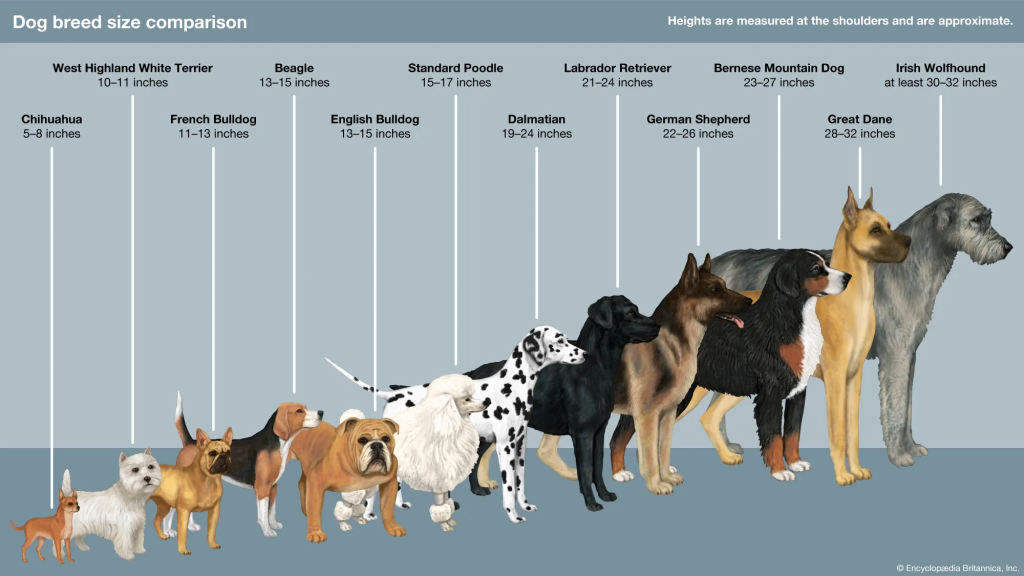
Different breeds vary significantly in size and structure. For instance, large breeds like Saint Bernards and Great Danes were developed for tasks requiring strength, such as rescue work or guarding. Smaller breeds like Chihuahuas and Pomeranians were bred for companionship and mobility in confined spaces. Body structure often influences mobility, endurance, and susceptibility to certain health issues.
Coat Type and Color
Coat type and color are also key breed characteristics. Some breeds have long, flowing coats that require significant grooming, while others have short or hypoallergenic coats. For example, the Persian cat is known for its long, luxurious fur, while the Siamese cat has a short, sleek coat. Coat color can range widely within a breed, but often breed standards highlight specific colors as ideal.
Facial and Skeletal Features
Facial structure is another important aspect of breed characteristics. Flat-faced breeds like Bulldogs or Persian cats are prone to breathing difficulties due to brachycephalic skull shapes. Conversely, breeds with elongated snouts, like Greyhounds or Collies, have superior respiratory efficiency and speed. Skeletal structure, including bone density and joint alignment, also impacts overall health and mobility.
Behavioral Traits
Behavioral traits are just as crucial as physical traits when understanding breed characteristics. These traits include temperament, intelligence, energy level, and social tendencies. They are often predictable based on the breed’s historical purpose, whether for herding, hunting, guarding, or companionship.
Temperament
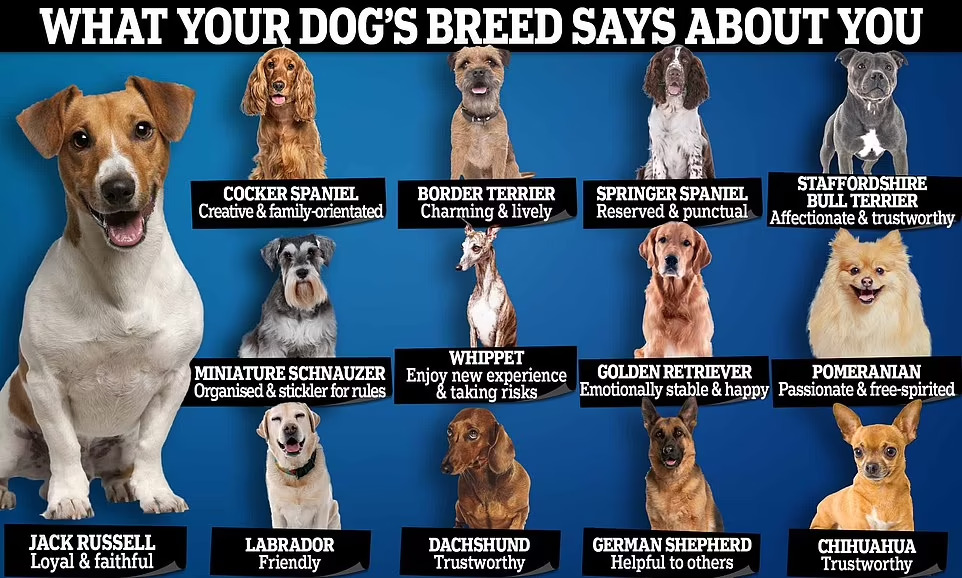
Temperament refers to an animal’s general mood and emotional tendencies. Some breeds are naturally calm and reserved, while others are energetic, curious, or even protective. For example, Labrador Retrievers are known for their friendly and adaptable nature, making them excellent family pets. In contrast, Border Collies are highly intelligent and energetic, requiring mental stimulation and physical activity.
Intelligence and Trainability
Intelligence and trainability vary widely among breeds. Working breeds such as German Shepherds and Belgian Malinois are highly intelligent and quick to learn commands, excelling in tasks like police work or agility training. Companion breeds may be less focused on complex tasks but display strong emotional intelligence, forming deep bonds with their owners.
Energy Levels
Breed characteristics often dictate energy levels. Active breeds need regular exercise to prevent boredom and behavioral problems, while more sedentary breeds can thrive with minimal physical activity. For instance, Jack Russell Terriers are extremely energetic and require ample outdoor time, whereas Basset Hounds are slower-paced and more relaxed.
Social Behavior
Social behavior is another significant aspect of breed characteristics. Some breeds are highly social and enjoy the company of other animals and humans, while others prefer independence. Understanding social tendencies helps ensure compatibility with households that may have children, other pets, or a busy lifestyle.
Health Considerations
Breed characteristics often influence health predispositions. Certain physical traits may increase the likelihood of genetic conditions, and understanding these risks is essential for responsible ownership and breeding.
Genetic Disorders
Many breeds are predisposed to specific genetic disorders. For example, large breeds like German Shepherds and Great Danes are prone to hip dysplasia, while flat-faced breeds may face respiratory problems. Awareness of these breed-specific risks allows for proactive health monitoring and early intervention.
Lifespan
Lifespan can vary significantly between breeds. Smaller breeds tend to live longer than larger breeds due to differences in metabolism, growth rate, and susceptibility to disease. Understanding breed characteristics helps owners provide appropriate nutrition, exercise, and healthcare to maximize lifespan and quality of life.
Grooming Needs
Grooming requirements are often determined by breed characteristics. Long-haired or thick-coated breeds may require frequent brushing, professional grooming, and seasonal care. Short-haired or low-maintenance breeds need minimal grooming but may require regular dental and skin care. Grooming needs should be considered when choosing a breed to ensure they align with the owner’s lifestyle.
Historical and Functional Context
Breed characteristics often reflect the historical purpose for which a breed was developed. Knowing this context provides insight into both physical and behavioral traits.
Working and Herding Breeds
Working breeds, such as Huskies, Malamutes, and Border Collies, were historically developed for specific tasks like pulling sleds or herding livestock. Their breed characteristics reflect these roles, with high endurance, intelligence, and strong instincts to perform tasks.
Hunting and Sporting Breeds
Hunting breeds, such as Beagles, Labradors, and Spaniels, were bred for tracking, retrieving, or flushing out game. Their keen senses, stamina, and cooperative temperament are hallmarks of these breeds.
Companion Breeds
Companion breeds, including Pugs, Shih Tzus, and Cavalier King Charles Spaniels, were bred primarily for human companionship. Their breed characteristics often include affectionate temperament, moderate energy levels, and adaptability to indoor living.
Guarding and Protection Breeds
Guarding and protection breeds, like Rottweilers, Dobermans, and Mastiffs, were developed to protect property or livestock. Breed characteristics include alertness, courage, and a strong sense of loyalty, balanced with proper training to manage protective instincts.
Choosing a Breed Based on Characteristics
Understanding breed characteristics is crucial for prospective owners. Matching a breed’s traits with an owner’s lifestyle ensures a harmonious relationship and reduces the risk of behavioral or health issues.
Lifestyle Compatibility
Owners with active lifestyles may prefer energetic breeds that thrive on exercise and mental stimulation. Conversely, apartment dwellers or individuals seeking a calm pet may benefit from smaller, more sedentary breeds.
Family Considerations
Families with children should consider breeds with gentle temperaments and social adaptability. High-energy or highly independent breeds may require additional training and supervision in family settings.
Long-Term Commitment
Each breed’s characteristics influence the level of care, time, and resources required. Prospective owners should consider grooming needs, health risks, and lifespan to ensure they can provide consistent care over the long term.
Conclusion
Breed characteristics encompass the physical, behavioral, and health traits that define each breed of animal. Understanding these traits is vital for responsible ownership, effective breeding, and the welfare of the animal. Physical features like size, coat type, and skeletal structure influence health and care requirements, while behavioral traits such as temperament, intelligence, and social tendencies affect training and lifestyle compatibility. Health predispositions, grooming needs, and historical purpose further shape the complete picture of a breed. By thoroughly understanding breed characteristics, owners can make informed decisions, ensure the well-being of their animals, and enjoy a fulfilling relationship with their chosen breed.
