

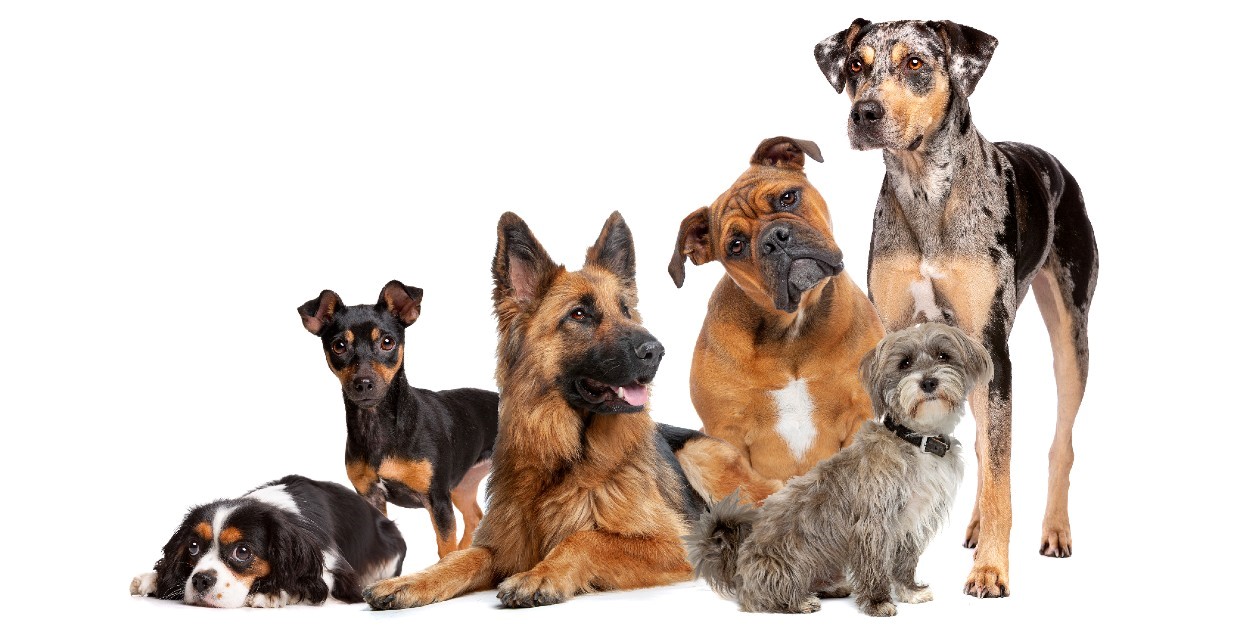
Pets are more than just companions; they are part of the family. Their behavior, mood, and reactions are often influenced by their temperament. Understanding pet temperament is crucial for creating a harmonious environment, ensuring proper training, and enhancing the bond between pets and their owners. This article delves into the concept of pet temperament, its types, factors influencing it, and how to manage and nurture it effectively.
What is Pet Temperament?

Pet temperament refers to the inherent personality traits and behavioral tendencies of an animal. It is the natural disposition that influences how a pet reacts to different situations, people, or other animals. Temperament is relatively stable over time, unlike mood, which can fluctuate based on circumstances. While training and environment can modify certain behaviors, the core temperament of a pet remains largely consistent.
For example, some dogs are naturally energetic and outgoing, while others may be more reserved and cautious. Similarly, cats may be affectionate and social or independent and aloof. Recognizing these differences is key to providing the best care for each pet.
Types of Pet Temperament
Pet temperament can generally be categorized into several types, although each animal may exhibit a combination of these traits. Understanding these categories helps owners anticipate behaviors and provide appropriate guidance.
1. Calm and Easygoing
Pets with a calm temperament are typically relaxed, patient, and adaptable. They are less likely to react aggressively or anxiously in unfamiliar situations. These animals are ideal for families seeking a low-maintenance companion and often form strong bonds with their owners without demanding constant attention.
2. Energetic and Playful
Energetic pets are lively, curious, and always ready for activity. They thrive in environments where they can explore, play, and exercise regularly. While they can be fun and entertaining, they may also require more time and attention to prevent behavioral issues like destructiveness or hyperactivity.
3. Shy or Reserved
Shy pets tend to be cautious around strangers and new environments. They may take time to warm up to people or other animals and often prefer quiet, predictable surroundings. Patience and gentle socialization are essential for helping these pets feel safe and confident.
4. Affectionate and Social
Affectionate pets enjoy interacting with humans and other animals. They often seek companionship, respond positively to attention, and display loyalty and empathy. These pets are well-suited for families who enjoy frequent interaction and bonding.
5. Independent
Independent pets are self-reliant and comfortable spending time alone. While they may enjoy occasional interaction, they typically do not demand constant attention. This temperament is common in certain cat breeds and can be ideal for owners with busy schedules.
Factors Influencing Pet Temperament
Pet temperament is shaped by a combination of genetics, early life experiences, and environment. Understanding these factors can help owners better anticipate and manage their pet’s behavior.
1. Genetics
Certain personality traits are inherited from a pet’s parents. Breed tendencies, in particular, play a significant role. For instance, some dog breeds are naturally more protective or energetic, while others are gentle and calm. Recognizing these inherited traits can help owners choose pets that align with their lifestyle.
2. Early Socialization
Early experiences significantly affect a pet’s temperament. Positive interactions with humans, other animals, and various environments during the critical developmental period help pets grow into confident and well-adjusted adults. Lack of socialization can result in fearfulness, aggression, or anxiety later in life.
3. Environment
A pet’s living conditions and daily experiences influence their behavior. Pets in stimulating, supportive environments tend to be more adaptable and confident, while those in stressful or neglectful conditions may develop behavioral problems. Consistency, routine, and positive reinforcement are essential in nurturing a balanced temperament.
4. Training and Reinforcement
Training shapes how pets respond to commands, challenges, and stress. Positive reinforcement strengthens desirable behaviors and encourages pets to be obedient and confident. Harsh or inconsistent training, on the other hand, can exacerbate undesirable traits such as aggression or fear.
Recognizing Pet Temperament
Observing and understanding a pet’s natural tendencies is key to effective care. Some indicators to assess temperament include:
- Reaction to strangers: Friendly pets may approach new people confidently, while shy pets may hide or retreat.
- Response to stimuli: Calm pets remain composed during loud noises or sudden changes, while sensitive pets may become anxious or defensive.
- Play behavior: Energetic pets actively engage in play, while reserved pets may participate less enthusiastically.
- Interaction with other animals: Social pets enjoy the company of other animals, whereas independent or territorial pets may prefer solitude.
Managing Different Temperaments
Different temperaments require tailored care strategies:
1. Calm Pets
- Provide a stable and quiet environment.
- Offer gentle, affectionate interactions.
- Avoid overstimulation.
2. Energetic Pets
- Ensure regular exercise and playtime.
- Engage in mentally stimulating activities like puzzles or training games.
- Set clear boundaries to prevent hyperactivity.
3. Shy or Reserved Pets
- Introduce new experiences gradually.
- Use positive reinforcement to build confidence.
- Respect their need for space and avoid forcing interaction.
4. Affectionate Pets
- Provide regular attention and companionship.
- Encourage social interaction with other pets and humans.
- Set boundaries to prevent clinginess.
5. Independent Pets
- Respect their alone time.
- Provide enrichment activities that stimulate their mind.
- Avoid forcing interaction, allowing them to engage on their terms.
The Role of Pet Temperament in Training
Understanding temperament is crucial for effective training. Training methods should align with a pet’s natural disposition. For example, high-energy pets benefit from interactive and physically engaging training, while calm pets respond better to gentle, patient guidance. Shy pets require a slow, confidence-building approach, whereas independent pets may need motivation through rewards rather than constant interaction.
Tailoring training to temperament not only ensures better results but also strengthens the bond between pets and owners. A pet feels understood, secure, and motivated to learn when their natural tendencies are respected.
The Connection Between Temperament and Health
Temperament can also impact a pet’s overall health and well-being. Stress-prone or anxious pets may be more susceptible to illness, behavioral problems, and shortened lifespan. Conversely, well-adjusted, confident pets tend to have better immune function, healthier relationships, and longer, happier lives. Recognizing and supporting your pet’s temperament is therefore essential for holistic care.
Tips for Nurturing a Balanced Temperament
- Observe and understand: Pay attention to your pet’s natural reactions and preferences.
- Provide structure: Consistent routines help pets feel secure.
- Positive reinforcement: Reward good behavior to reinforce confidence and obedience.
- Socialization: Encourage safe interactions with people and other animals.
- Mental and physical stimulation: Engage pets in activities suited to their energy levels.
- Patience and empathy: Respect their unique personality and avoid forcing change.
Conclusion
Pet temperament is a fundamental aspect of understanding and caring for animals. Recognizing and respecting your pet’s natural personality leads to better training, stronger bonds, and improved well-being. By observing behaviors, providing suitable environments, and tailoring interactions to each temperament type, owners can ensure their pets thrive both physically and emotionally. Ultimately, appreciating the individuality of each pet enriches the human-animal relationship, creating a fulfilling experience for both pet and owner.
